
The Psychology of Trading: Mastering Fear and Greed
When it comes to trading, numbers and charts matter—but your mind matters even more. The way you handle emotions like fear and greed can make or break your success. The good news is that anyone can learn to manage these feelings with the right mindset and tools.
At LumiTrade, we believe trading isn’t just about markets—it’s about confidence, discipline, and growth.
What Is Fear in Trading?
Fear shows up when traders worry about losing money. Maybe you see a stock fall and panic-sell too quickly. Or you avoid making trades at all because you’re nervous. While fear is natural, it can stop you from reaching your goals if it takes control.
What Is Greed in Trading?
Greed happens when traders want “just a little more.” You might stay in a trade too long, hoping for bigger profits, only to lose what you already earned. Greed can push you to take risks without thinking clearly.
Why Fear and Greed Matter
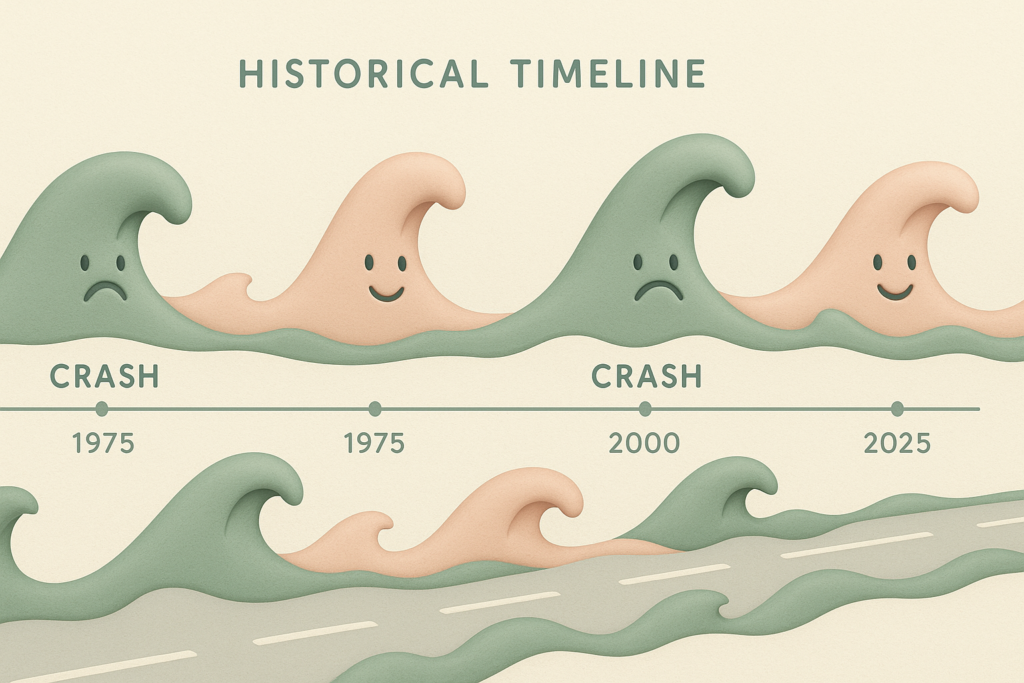
Both emotions are powerful. If you let them guide your decisions, they can lead to mistakes. But if you learn to notice them and stay calm, you’ll make smarter, more balanced choices.
Tips to Master Fear and Greed
-
Have a Plan – Know your entry, target, and stop-loss before every trade.
-
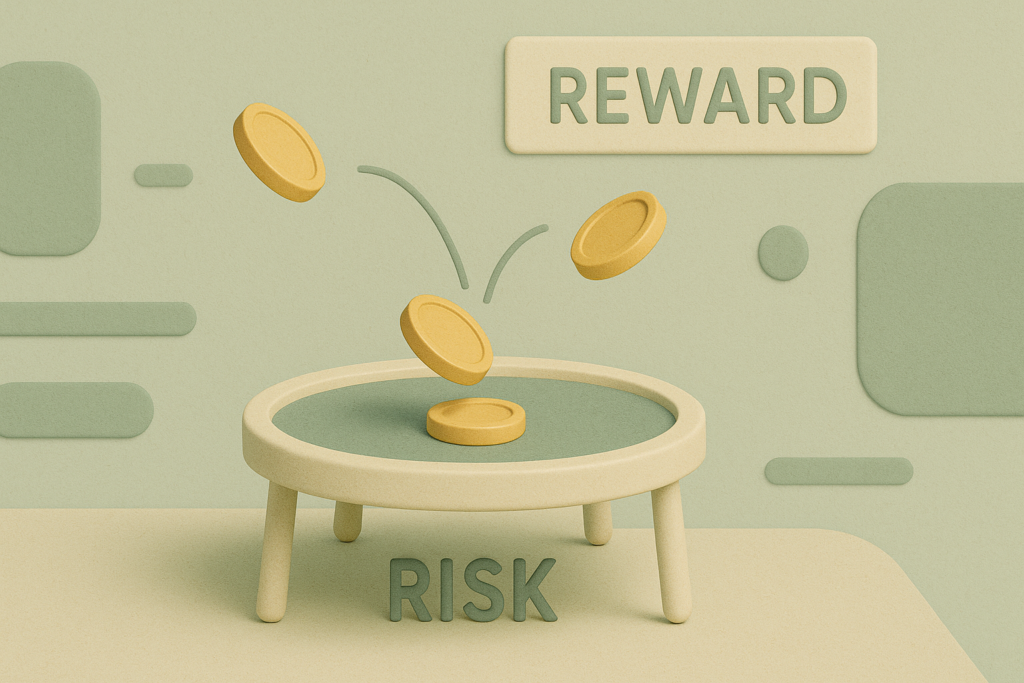
Use Risk Management – Never risk more than you’re willing to lose.
-
Stay Disciplined – Stick to your plan, even when emotions run high.
-
Practice First – Mock trades are a safe way to build skills without losing money.
-
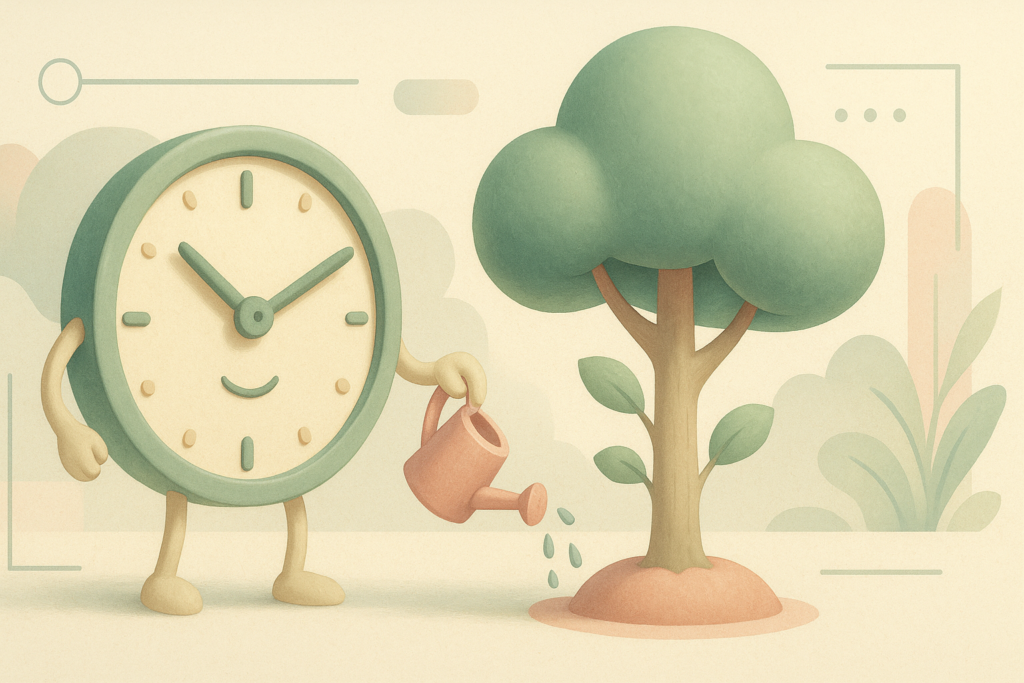
Think Long-Term – Remember, trading is a journey. Small, steady wins add up over time.
Final Thought
Fear and greed are part of trading, but they don’t have to control you. By creating a plan, practicing discipline, and focusing on long-term success, you can trade with confidence.
At LumiTrade, we help you master not just the numbers, but the mindset—so you can grow as a trader and as an investor.
LumiTrade: Illuminating Financial Empowerment.